
Source: Beneficiation strategy pays off – herald
Oliver Kazunga
Senior Reporter
ZIMBABWE’s beneficiation strategy recorded a breakthrough after value-added steel exports soared 254 percent to US$68,22 million in the first quarter this year, against US$19,25 million recorded at the same time last year, signalling the rise of a powerful new industrial export economy.
Last year, the country recorded over US$16 billion in foreign currency earnings — the highest since Independence — a sharp rise from the US$5,5 billion realised in 2017 before the advent of the Second Republic.
In 2025, steel export sales contributed US$92,1 million from 146 314 tonnes — representing a 450 percent spike in value compared to the previous year.
This positive growth trajectory comes as the country accelerates efforts to drive an export-led economy underpinned by value addition and beneficiation of its natural resources.
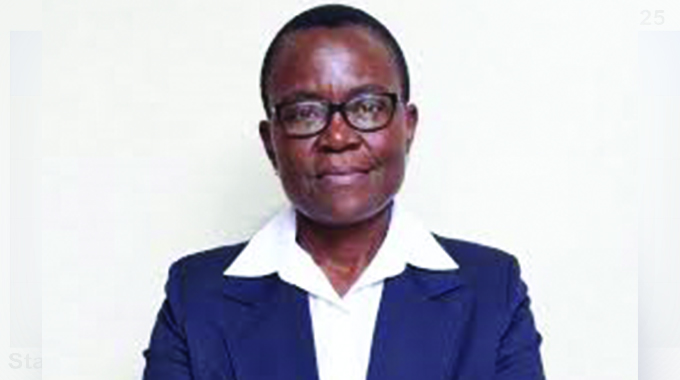
Responding to an inquiry by Zimpapers last week, Minerals Marketing Corporation of Zimbabwe (MMCZ) general manager Dr Nomsa Moyo said steel sales reached 190 612 tonnes during the first quarter, representing a 150 percent increase in volume compared to 76 163 tonnes recorded during the same period last year.
The exceptional performance has been attributed to increased production of value-added steel products and strong regional demand, further strengthening confidence in the Government’s push for beneficiation and industrialisation as key pillars of economic transformation.
She said the steel sector had emerged as one of the best-performing industries during the period under review, underlining the economic benefits of local value addition.
“Steel delivered one of the most outstanding performances of the quarter, with Q1 2026 sales reaching 190 612 tonnes valued at US$68,22 million, representing 150 percent increase in volume and a remarkable 254 percent increase in value against the same period in 2025, when sales stood at 76 163 tonnes valued at US$19,25 million,” said Dr Moyo.
Following the closure of the Redcliff-based Ziscosteel, once the largest integrated steel plant north of Limpopo, in 2008, the country which requires 300 000 tonnes of steel per annum, was spending US$500 million annually importing steel from the region and around the world.
At its peak in the 1990s, Zisco produced 1,2 million tonnes annually.
However, the coming on stream of the US$1,5 billion steel plant owned by Dinson Iron and Steel Company in Manhize, near Mvuma, in 2024 revived the country’s steel industry, as the company now produces 600 000 tonnes of steel and related products under Phase 1.
Currently, Dinson produces beneficiated products, including billets, rebars, wire rods, and pig iron, which are supplied locally and to export markets, particularly South Africa — thus fostering industrialisation and growing Zimbabwe’s export earnings from steel.
“This exceptional growth is directly attributable to increased production of value-added steel products and strong regional market demand, a compelling demonstration of what beneficiation delivers in practice,” said Dr Moyo.
Dinson Iron and Steel Company project director Mr Wilfred Motsi said the firm had successfully met domestic demand and was now expanding exports to generate foreign currency for the country.
“We are exporting our steel while also supplying the local market. First and foremost, we prioritise meeting local market demand, and then we move on to regional markets,” he said.
Before the commencement of production at the Manhize steel plant, Zimbabwe — whose annual steel demand is estimated at 300 000 tonnes — was spending between US$400 million and US$500 million annually importing steel products.
In an interview, the Construction Industry Federation of Zimbabwe chief executive, Martin Chingaira, said local steel production had significantly reduced construction costs and improved project delivery timelines.
“The availability of locally produced steel has helped lower building material costs and improved access to supplies, enabling projects to be completed faster,” he said.
Mr Chingaira said Dinson’s competitive pricing had transformed the market, with some regional players now importing steel from Zimbabwe.
“The fact that South Africa is now importing steel from Dinson demonstrates the competitiveness of the company’s products,” he said.
According to data from the South Africa Revenue Service, the South African Iron and Steel Institute (SAISI) indicated that in 2025, primary steel imports into South Africa — excluding stainless steel, wire and rail, reached a record high of an estimated 1,56 million tonnes.
This was mainly due to higher imports of semi-finished steel products such as slabs, billets, and blooms which surged by over 514 percent to 195 723 tonnes.
Following the coming into production at Dinson Iron and Steel Company, SAISI has projected that South Africa’s steel imports were bound to continue on a growth trajectory.
Infrastructure gaps have prompted rapid investment in the region with South Africa among top investors in infrastructure development — and this investment has increased the utilisation of steel and iron products.
The Zimbabwe Institute of Foundries chief executive Mr Dosman Mangisi said the project was expected to stimulate industrial growth across sectors dependent on iron and steel.
“The impact of the Dinson project is already being felt through exports, product quality and competitive pricing.
“We also expect the revival of industries such as metal foundries that rely heavily on steel as a key raw material,” he said.
For years, Zimbabwe exported raw minerals, while importing finished steel at enormous cost. Now, with billets, rebars and wire rods rolling out of Manhize into regional markets, the country is beginning to reap the long-promised dividends of beneficiation — transforming mineral wealth into exports, industry and industrial momentum.

« President appoints Gen (Rtd) Sibanda to Politburo