
Source: Presidential insult laws must be abolished – DailyNews Live
STAFF WRITER 8 December 2017
HARARE – A Harare court yesterday refused to prosecute a war veterans’
leader under an archaic law that punishes insulting the president with a
one year jail term.
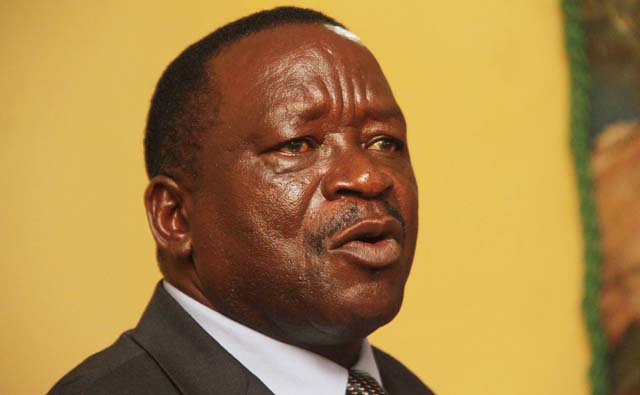
Prosecutors dropped charges of undermining the authority of the president
against war veterans leader Victor Matemadanda, reflecting greater
judicial independence under new President Emmerson Mnangagwa.
Matemadanda – who was represented by leading rights attorney Beatrice
Mtetwa – was a harsh critic of Mugabe who was pressured to resign by the
army and ruling Zanu PF party a fortnight ago after 37 years in power.
Matemadanda, along with other executive members of his war veterans
association, were arrested in July last year for allegedly penning a
damning communique that denounced Mugabe for running down the country,
formenting divisions and being manipulative in general.
The crackdown against dissent has been central to Mugabe’s authoritarian
drive. The freedom to lampoon political leaders is one of the crucial
differences between liberal democracies and authoritarian states. Freedom
of expression simply cannot be negotiated with autocrats, dictators or
bullies.
Mnangagwa has been rightly praised for refusing to use laws that undermine
freedom of expression.
After all, Zimbabwe’s highest court has declared unconstitutional the
draconian law which makes it a crime to insult the president. At least 80
cases have been filed in recent years under the law but there has not been
a single conviction.
Under Section 33 of the Criminal Law Codification and Reform Act, a person
could be jailed for up to a year or fined $100 for insulting the
president’s office.
A new Constitution approved by 95 percent of Zimbabweans in a 2013
referendum expanded civil liberties.
Yet Mugabe remained in the propensity of punishing free speech under the
guise of national security or insult laws, simply to silence dissent.
It is refreshing that Mnangagwa – an attorney-at-law – is taking a
different route.
After all, the international law framework governing freedom of expression
is clearly contained in treaty law: Articles 19 and 20 of the
International Covenant on Civil and Political Rights.
There are also relevant but broadly-worded provisions on freedom of
expression in the Universal Declaration of Human Rights.
The withdrawal of presidential insult charges against Matemadanda is a
victory for free speech and a further step away from state censorship
powers.
Mnangagwa must now move towards total abolition of insult laws.
« Evicted white Zim farmer ‘was victim of racial discrimination, greed and abuse of power’
What’s next for the opposition? »