
Source: Rural development takes shape in Chivi Central – herald
Online Reporter
Villagers in Chivi Central say access to basic infrastructure, health services and farming inputs is beginning to improve, as a series of community-focused projects led by their Member of Parliament, Honourable Exevia Maoneke, take shape across the constituency.
The development is in line with the attainment of Vision 2030 and the provisions of the National Development Strategy 2 (NDS2), as guided by President Mnangagwa’s goal of leaving no one and no place behind.
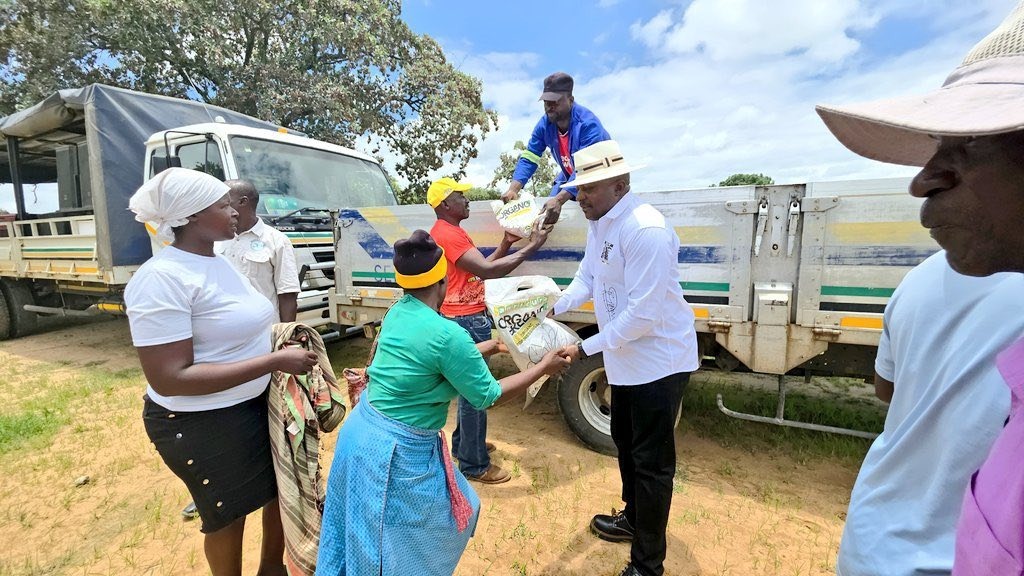

In recent months, farmers in wards such as 20 and 30 have received top-dressing fertiliser under government-supported agricultural programmes, a development many say is critical to improving yields in a drought-prone area.
For smallholder farmers who rely on timely inputs, the intervention has helped stabilise production and household food supplies.
Hon Maoneke is driving the development in the constituency, ensuring that all areas benefit from the developmental trajectory set by President Mnangagwa.
Speaking during a recent meeting in the constituency, Hon Maoneke said the focus was on ensuring that communities benefited directly from national programmes.
“Our role is to make sure that Government support reaches the people on time because that is what improves harvests and livelihoods,” he said.
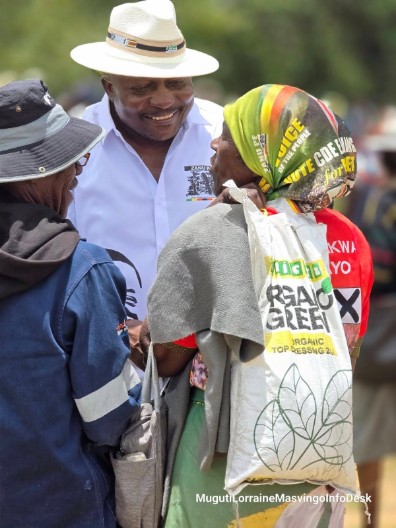

Villagers noted that delays in accessing developmental benefits in previous years had often affected their livelihoods.
Hon Maoneke said his intervention in aiding development reflects broader national priorities.
“This support is part of the vision of ensuring food security at household level,” he said. “When inputs come on time, families are able to plan and produce better.”
The agricultural support aligns with broader national efforts under the Second Republic to strengthen food security and rural livelihoods, a key pillar of the development agenda being advanced by President Mnangagwa.
Beyond agriculture, communities are also seeing incremental improvements in health services in the constituency.
At Chishave Clinic in Ward 16, which caters for both villagers and travelers along the Masvingo-Beitbridge Highway, the recent addition of hospital beds by Hon Maoneke helped ease pressure on limited facilities.
Villagers who rely on the clinic said the shortage of equipment had long affected service delivery, forcing some patients to travel to Chivi District Hospital, more than 20km away or to Masvingo Provincial Hospital, nearly 50km away, for basic care.
During the handover of the hospital equipment, Hon Maoneke said improving rural health infrastructure remains a priority.
“People should not travel long distances for basic healthcare,” he said. “We are working to strengthen our local clinics so that services are accessible.”

Livestock, another critical source of income in the area, is also receiving attention through the rehabilitation and support of dip tanks.
Farmers say healthier cattle not only improve draught power for farming, but also provide a financial safety net in times of need.
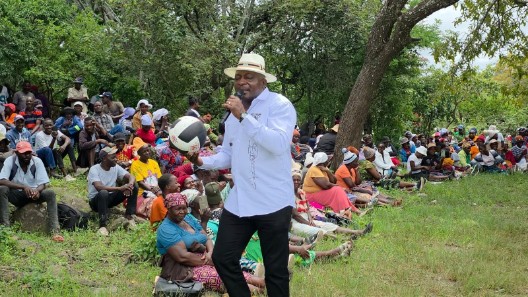
Hon Maoneke noted that protecting livestock is key to sustaining rural livelihoods.
“Cattle are central to our rural economy,” he said while addressing people in the constituency recently. “Supporting dip tanks means protecting income and ensuring communities remain productive.”
Infrastructure remains a major concern, but localised interventions are beginning to address some of the gaps.
The repair of Gudoshava Bridge, supported with construction materials by Hon Maoneke, is expected to improve movement for villagers, especially during the rainy season when access is often cut off.
Similarly, work on Mukombwa Bridge is set to enhance connectivity between several wards, making it easier for people to access markets, schools and health facilities.
“We are prioritising projects that improve access because development depends on connectivity,” Hon Maoneke said. “When roads and bridges are usable, people can reach schools, clinics and markets without difficulty.”
In the education sector, efforts by Hon Maoneke to install solar power at schools are being welcomed by both teachers and learners, particularly in areas without reliable electricity.
Parents say improved lighting conditions are likely to extend study hours and enhance learning outcomes.
There are also ongoing calls for the establishment of local examination centres to reduce travel distances and associated costs for students.
“Education must be accessible to every child, regardless of where they live,” said Hon Maoneke. “Bringing services closer to the people gives our learners a fair opportunity.”
Youth development has also featured in community activities, with local initiatives encouraging participation in sport as a way to address issues such as drug and substance abuse.
Hon Maoneke said investing in young people is essential for long-term development.
“If we keep our youth engaged in positive activities, we are securing the future of our communities,” he said during a recent meeting in the constituency.
Across the constituency, residents say these developments, while modest, are beginning to address long-standing challenges.
The interventions reflect a broader government thrust aimed at ensuring that development reaches previously marginalised rural areas, in line with the national vision of inclusive growth.
« Govt receives new farm equipment to boost productivity
Renaming of schools with colonial names clarified »