
Source: ZiG300m windfall for local companies | The Sunday Mail
Debra Matabvu
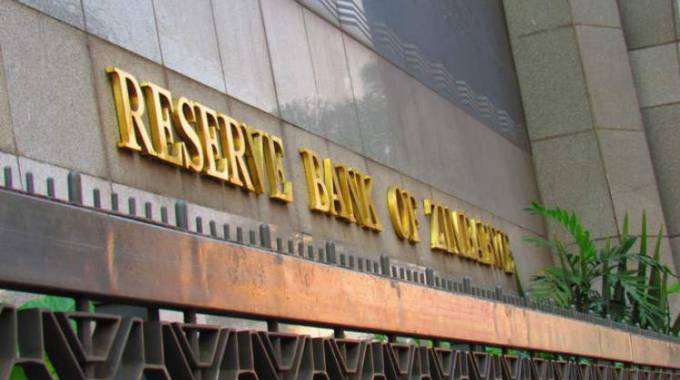
THE Reserve Bank of Zimbabwe (RBZ) has disbursed ZiG300 million (about US$10 million) to 135 private sector companies under a special funding facility to channel affordable, concessionary loans to productive sectors of the economy since January this year.
Statistics from the central bank show that the agriculture sector received the largest share of support, with 60 companies accessing funding from the Targeted Finance Facility (TFF).
The manufacturing sector followed with 53 companies, while 18 firms in the wholesale and retail sector also benefitted.
The construction and energy sectors had four companies receiving funding.
RBZ Governor Dr John Mushayavanhu said agriculture and manufacturing had received the bulk of the funds, reflecting their strategic importance to the economy.
“About 135 companies benefitted from the Targeted Finance Facility as at April 15, 2025, with a total disbursement of about ZiG300 million,” said Dr Mushayavanhu.
“The TFF is a targeted facility meant to support the productive sectors in order to support the envisaged growth of 6 percent in 2025.
“In line with the facility objectives, the manufacturing and agriculture sectors received the biggest share of the funding, given their significant contribution to domestic production.
“An analysis of historical growth trends of the Zimbabwe economy shows that strong recovery in agriculture and manufacturing production has had significant positive impacts on the economy.”
The TFF, introduced by the RBZ in January this year, aims to stimulate economic recovery by ensuring productive sectors have access to low-interest working capital, without increasing overall money supply.
Funds are distributed through commercial banks to maintain tight monetary controls while supporting critical areas such as agriculture, manufacturing and mining.
Dr Mushayavanhu said the central bank was satisfied with the progress made so far.
“Overall, the TFF has enabled the Reserve Bank to make available targeted liquidity to the productive sectors of the economy, while maintaining its current tight monetary policy stance, aimed at durably reducing inflation to low and sustainable levels,” he added.
“The Reserve Bank has not observed any significant challenges pertaining to the disbursement of the TFF and will continue to monitor the facility to ensure that it has an optimal impact on the economy.”
Speaking virtually at the ZITF 2025 International Business Conference last week, Finance, Economic Development and Investment Promotion Minister Professor Mthuli Ncube said the Government would continue to strengthen mechanisms to ensure the facility serves its intended purpose.
“In January 2025, the Reserve Bank introduced the Targeted Finance Facility (TFF) to enhance banks’ support to productive sectors,” Prof Ncube said.
“The TFF is financed from the pool of banks’ statutory reserves held at the Reserve Bank, implying that there is no new money created to finance it.
“This facility aims to address liquidity gaps in the banking sector and support economic growth by ensuring adequate working capital for key sectors such as agriculture, manufacturing and mining.
“This facility was tailor-made to provide funding to productive sectors of the economy that are struggling to access traditional banking resources.”
The facility’s interest rates are set at 20 percent for banks borrowing from the central bank and a maximum of 30 percent for on-lending to customers.
The TFF loans have a maximum 270-day maturity and must be repaid in full by the due date or earlier.
Borrowers can access funds in Zimbabwe Gold (ZiG) and have the option to repay in the same currency or foreign currency at the prevailing exchange rate.
Economist Persistence Gwanyanya said the facility was a critical tool to drive economic expansion.
“With the economy projected to grow by an impressive 6 percent in 2025, ensuring adequate funding for working capital is crucial,” he said.
“In addition, the funds can be accessed easily. What is needed is vetting and approval from one’s bank.”

« Civil courts to go fully virtual in 12 months
Zim in US$17bn power investment push »