
Source: Zim introduces rebate on solar equipment for EV charging stations | The Sunday Mail
Martin Kadzere
ZIMBABWE has introduced a duty rebate on imported equipment for establishing solar-powered charging stations for electric vehicles (EVs).
A duty rebate refers to a reduction or a refund of customs duty normally payable on imported goods.
The incentives apply to operators approved by the Zimbabwe Energy Regulatory Authority (ZERA), as outlined in Statutory Instrument 35 of 2025, the Customs and Excise (General) (Amendment) Regulations.
In terms of the regulations, equipment imported under the rebate cannot be moved from one approved operator or location to another without the Zimbabwe Revenue Authority (ZIMRA) commissioner’s written consent.
Furthermore, any entity granted the duty rebate is prohibited from selling or disposing of the equipment without ZIMRA’s written permission and the payment of the duty that was originally waived.
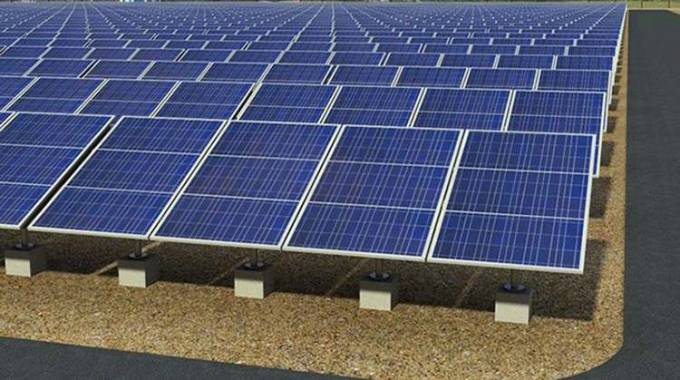
The list includes essential components for establishing these stations, such as solar panels, inverters, chargers to deliver power to EVs and battery storage facilities.
It also includes charging control units, mounting structures for the solar panels and other equipment, electrical wiring, monitoring systems and grounding equipment for safety.
There is a noticeable increase in interest in EVs and the gradual adoption of the vehicles in Zimbabwe.
The Government has shown commitment to promoting EVs and effective January 1, 2025, the import duty on such vehicles was reduced from 40 percent to 25 percent. The move is aimed at making EVs more affordable.
However, analysts have expressed concern over the current lack of sufficient infrastructure to adequately charge EVs across Zimbabwe, posing a significant hurdle to the widespread adoption of the vehicles.
Potential EV owners are understandably hesitant to purchase the cars due to uncertainty over the availability of convenient and reliable charging options, especially for long-distance travel.
The limited number of charging points, particularly outside major urban centres and along key transport corridors, creates range anxiety and restricts the practical usability of EVs for many.
“Addressing this infrastructure gap through strategic investment in public and private charging networks, including exploring solutions like solar-powered charging stations in more remote areas, is crucial for building consumer confidence and accelerating the transition to electric mobility in Zimbabwe,” Harare-based economic analyst Mr Carlos Tadya said in an interview.
Meanwhile, horticultural producers have called for a value-added tax (VAT) waiver on solar equipment.
This is aimed at incentivising investments in off-grid energy solutions within the sub-sector to reduce reliance on the often-unstable national power grid.
The Horticultural Development Council (HDC), a key representative body for Zimbabwe’s horticulture industry, has highlighted the severe impact of persistent power shortages on members’ operations, which are fundamentally dependent on constant and reliable electricity supply for processes such as irrigation, cooling and processing.
The HDC argues that removing VAT on solar equipment would make off-grid energy alternatives more financially accessible, ensuring the sub-sector’s productivity and competitiveness amidst ongoing power challenges.
The growing adoption of captive power solutions, including solar energy, by businesses underscores the urgent need for reliable and independent energy sources to sustain economic activity in the face of grid limitations.
Latest data from ZERA reveals a total of 29 projects underway, promising to add a substantial 1 688 megawatts (MW) to the country’s energy mix.
A notable trend in the private ventures is the strong focus on solar photovoltaic technology.
With 25 projects in the pipeline, solar power accounts for a significant 403MW of the capacity. This highlights the growing appeal and viability of solar energy for businesses seeking sustainable power solutions.

« Brig-Gen Rtd Rungani obituary
Why Mnangagwa chops and changes his Cabinet »