
Black Box missing
LINGERING suspicions of foul play in the horrific September 30 helicopter crash that killed controversial tycoon Wicknell Chivayo, his wife Lucy Muteke, aide Senelisiwe Magagula and two pilots, Captain Kelvin Tafirei Soda and co-pilot Courage Mutavirwa, have intensified after a Civil Aviation Authority of Zimbabwe (Caaz) report released today claimed the critical Cockpit Voice Recorder (CVR) — the “black box” system — that records radio transmissions, pilot conversations, and ambient cockpit noises during a flight, was not recovered from the scene contradicting its initial confirmation that it had been found intact.
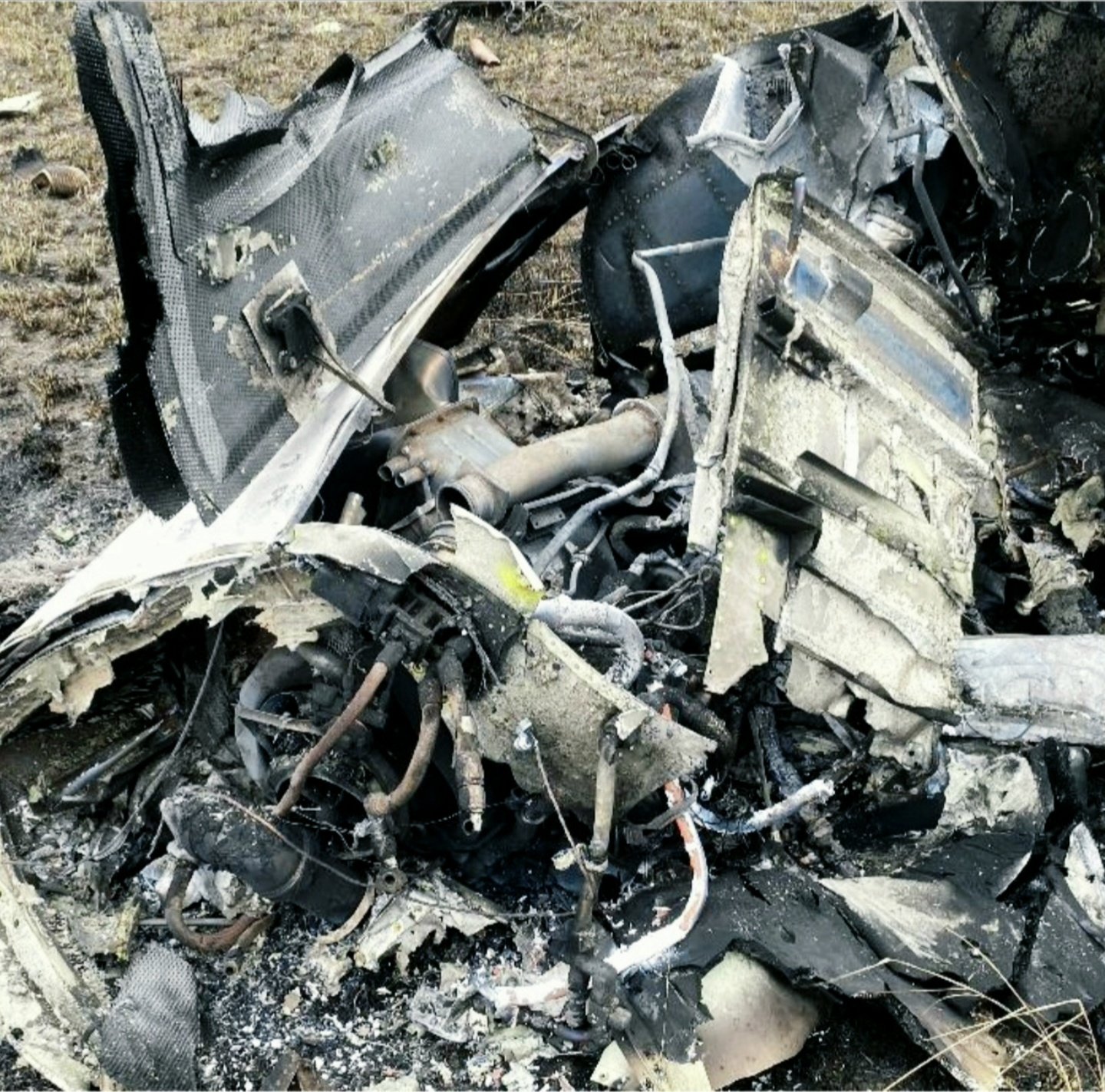
The preliminary report, titled AIRCRAFT ACCIDENT INVOLVING A BELL 430 HELICOPTER, REGISTRATION Z-PED, AT KUDENGA FARM, MASHONALAND EAST PROVINCE, ZIMBABWE ON 30 SEPTEMBER 2026, says: “The aircraft was fitted with a Cockpit Voice Recorder (CVR). However, the CVR was not recovered among the wreckage and is presumed to have been destroyed.” This is a serious, suspicious and game-changing volte-face. On October 1, Caaz said it had recovered an intact “black box” device containing both the flight data recorder and the cockpit voice recorder after the September 30, 2026 crash. The accident occurred on Wednesday, September 30, at approximately 17:00.
The helicopter crashed at Kudenga Farm (also referred to as Kanga or Kena Farm) in Waddilove, 22 kilometres from Marondera , while flying from Gandami village, Chikomba, Mashonaland East province, to Harare via Marondera. All five people on board died. Caaz soon after said it had recovered the flight recorder intact within less than 24 hours of the crash (on October 1, 2026) to analyse data including altitude, speed, engine performance, weather conditions, and radio transmissions. Caaz Director-General George Mashababe said initial indications were that the tail struck first, causing the aircraft to roll roughly 100 metres, leak fuel, and ignite. Transport minister Felix Mhona said the ongoing probe had immediately got underway and confirmed that international aviation experts were brought in to assist with analysing the wreckage and recorder data.
However, the Caaz report now claims the CVR was not recovered. This raises serious suspicions because the black box is critical in unravelling what happened on that fateful day. The CVR helps investigators understand the exact sequence of events leading up to an aviation incident or accident. It records stress, fatigue, communication breakdowns, or decision-making processes between the flight crew, cabin crew, and Air Traffic Control. The report says communication between the Chivayo helicopter crew and air traffic control at Robert Gabriel Mugabe International Airport was fine. But now without the black box people will never know the truth and the 5 Ws and the H – that is who, what, where, when, why and how.
Beyond voices, the CVR’s area microphone picks up critical mechanical and environmental sounds — such as engine RPM changes, stall warnings, switch clicks, alarms, and thuds or explosions. RPM stands for “Revolutions Per Minute”, which measures how many times a rotating part —such as an engine’s crankshaft or a helicopter’s main rotor —spins in one minute. While a Flight Data Recorder tracks technical parameters like altitude and airspeed, the CVR provides the context of why the crew took or missed certain actions. Findings from CVR transcripts and audio analysis drive mandatory safety changes, crew resource management (CRM) training updates, and procedural fixes across the airline industry.
Housed in bright orange, crash-survivable stainless steel or titanium units placed in the tail of the aircraft, CVRs are built to withstand severe impacts, high G-forces, and extreme fire temperatures and equipped with an Underwater Locator Beacon to emit a signal if submerged in water. CVRs typically record a rolling loop of the last two hours.
Source: Chivayo Helicopter Crash: CAAZ Report Fuels Foul Play Suspicions
COMMENTS