
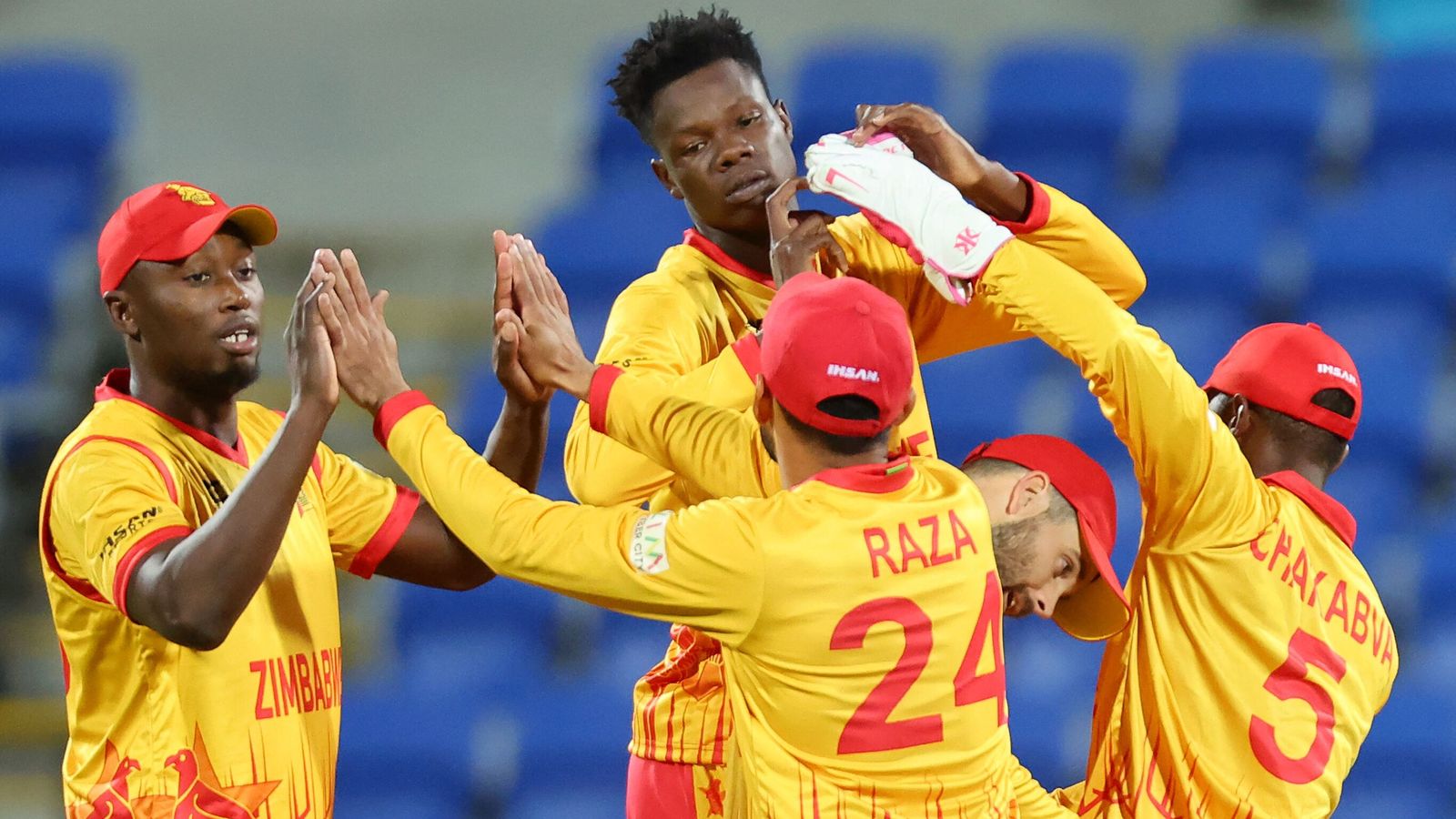
When India come to Zimbabwe, Harare starts to feel it before the first ball is bowled. Bars check their screens, food sellers prepare a little more than usual, and fans begin arguing about team selection in WhatsApp groups long before the match starts.
A tour like this doesn’t just sit on the sports calendar. For a few days, it changes the pace of the city.
The main headlines will be about runs, wickets and form. Around Harare, the match also creates smaller pockets of business.
A vendor near a busy road may sell more drinks than usual. A driver may get an extra trip from fans heading to a viewing spot. A bar with a good screen may keep customers for longer than on a normal afternoon.
None of this looks dramatic from a distance, but for people who work day to day, it can still count. Harare’s informal economy often works that way. A busy afternoon, a crowd in the right place and a few extra payments can be enough to make the day worthwhile.
Matchday now lives on the phone as much as it does on television. Fans check team news, follow live scores, send voice notes, share jokes and argue over decisions while doing other things. Someone can be in a queue, in a shop, on a kombi or at work and still keep up with the match almost ball by ball.
Mobile money makes that routine even more connected. The same phone can be used to pay for transport, buy food, send money home and keep checking the game.
For some supporters, the 1xBet app is part of that wider matchday screen time, especially when they’re checking odds, live markets or reactions around the fixture. It sits alongside score updates, cricket pages and group chats as part of the normal fan routine.
The activity around Zimbabwe hosting India won’t sit in one place. It moves through bars, homes, roads, small shops and online conversations. That’s why big fixtures can matter even to people who never enter the ground.
For many small businesses, this scattered attention is where the value appears. A match may pull people toward a viewing spot, keep them in a bar for another hour, or push more payments through nearby vendors and transport routes.
When the match ends, the official story will be the result. For Harare, there’s another story as well: the extra plates sold, the rides taken, the airtime bought and the group chats filled with cricket talk.
It may last only a short time, but that’s how much of the city’s informal economy works. A big sporting day comes, people adjust quickly, and small earnings appear wherever attention gathers.
COMMENTS