
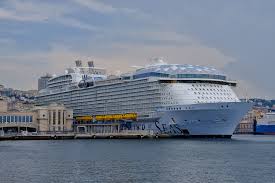
Imagine aboard a beautiful cruise ship, gliding over blue seas with the sun shining warmly. The appeal of the open ocean is undeniable, but our safety always comes first. The cruise industry’s approach to marine safety has been revolutionized by technology, which has become a reliable ally in averting mishaps. Come along as we explore 9 innovative ways technology is revolutionizing safety for passengers and crew.
Expanded CCTV and Surveillance
Constant watchfulness is essential in the field of marine safety. All cruise ship areas are monitored by cutting-edge surveillance and closed-circuit television (CCTV) systems. On average, these systems monitor more than 95% of public places, allowing for faster responses to crises or suspicious activity. By using high-definition cameras and advanced monitoring software, the ship’s security staff can maintain a close check on every location, allowing for prompt identification and mitigation of any suspicious activity or dangers. Improved passenger safety is only one of the many benefits of this technology, which also aids in keeping the flight secure. By using sophisticated video analytics, these systems can detect smoke or fire, allowing for the prompt management of any possible hazards to safeguard all passengers and avoid accidents.
Cutting-Edge Weather Prediction Systems
Envision confidently navigating over stormy seas. The weather forecasting systems on board modern cruise ships are state-of-the-art, using artificial intelligence and predictive analytics. These systems greatly lessen the likelihood of weather-related accidents by keeping tabs on storms and suggesting the best routes. To make trips more pleasant for everyone, more than 80% of cruise lines say they use up-to-the-minute weather reports to improve safety. The technique is based on collecting and analyzing data from many sources, including ocean buoys, weather stations, and satellites, to forecast future weather patterns. These accurate predictions allow captains to steer clear of dangerous weather and avoid cruise ship disasters.
Navigation Systems
The days of using sextants and paper charts exclusively are over. Modern cruise ships have GPS, radar, and sonar navigation systems. Accurate position data, underwater danger detection, and collision prevention via vessel monitoring are all capabilities of these systems. Cruise captains now have unrivaled precision while navigating busy rivers and small passages thanks to GPS accuracy that reaches within a few meters. Incorporating Electronic Chart Display and Information Systems (ECDIS) significantly improves navigational safety by providing real-time updates and alarms on possible dangers.
Automated Man Overboard Detection Systems
In the event of a man going overboard, every second is crucial. Using infrared and motion sensors, modern cruise ships include automated detection systems to identify and notify the crew of any situation. By cutting reaction times in half, these solutions greatly improve the likelihood of rapid rescue operations and guarantee that no crew member or passenger is left adrift. With this technology, sensors are strategically positioned throughout the ship to watch for any indications that someone may go overboard. Upon detection, the technology promptly activates alarms and pinpoints the precise position of the event, enabling crew members to launch rescue efforts promptly.
VR Training Simulations
It is critical to train crew members to respond to situations. Crew members may train in a safe, realistic setting using virtual reality simulations to respond to various crises, from fires to medical problems. According to studies, crew members will be ready to manage any crisis at sea thanks to virtual reality training, which improves reaction times by 30%. Virtual reality training improves crew members’ capacity to react calmly and efficiently in real-life crises by placing them in realistic, high-pressure situations. In addition to enhancing individual performance, this technology promotes cooperation and communication, which are essential components of crisis management.
Fire Prevention Systems
The constant danger of fire is a major concern for any ship. Advanced fire detection systems use sensors and thermal imaging to locate possible sources of fire early. When used with automated suppression systems that use foam or water mist, these technologies may prevent fires that might otherwise cause serious harm by as much as 70%. Smoke detectors, heat sensors, and flame detectors are just a few of the many layers of fire protection equipment that are standard on today’s cruise ships. The automatic suppression systems are programmed to operate upon fire detection, confining and putting out the fire before it spreads. By taking such a thorough approach to fire safety, the ship can better safeguard its passengers and crew and sustain less damage throughout the journey.
Internet of Things (IoT) and Predictive Maintenance
The best way to avoid accidents is to ensure mechanical parts don’t break. The Internet of Things (IoT) allows sensors to track machinery’s efficiency and identify problems before they become dangerous. Reduce maintenance expenses by up to 30% and improve total ship dependability with predictive maintenance plans based on data analytics. These schedules ensure that essential systems, such as engines and elevators, are in the best possible shape. Maintenance staff can head off any problems by using the real-time data provided by these sensors, which continually check the status of vital systems. This preventative measure not only makes the ship more dependable and efficient, but it also makes sure that every machinery is running well and safely. Passengers may look forward to a safer and more pleasant cruise due to the drastically decreased probability of mechanical breakdowns and accidents.
Remote Health Monitoring and Telemedicine
Despite the proximity of land hospitals, medical crises may happen at sea. Modern cruise ships use telemedicine and remote health monitoring technologies to link crew and guests with onshore medical specialists. Passengers may rest easy and get treatment quickly because these devices cut medical evacuation rates by 25%. No matter where the ship is, passengers may get top-notch medical consultations and treatment programs via telemedicine. Passengers’ vital signs and health indicators may be tracked by remote monitoring equipment, which can warn medical professionals of any difficulties before they become severe. This technology improves passengers’ safety and welfare by ensuring they get medical assistance swiftly if required.
Take Precautions to Protect Your Digital Waters
Cybersecurity is of utmost importance on land and at sea in today’s globally linked society. To safeguard their systems against cyber-attacks, cruise ships use strong cybersecurity procedures. Critical navigation and communication systems are safeguarded by these precautions, which include encryption procedures that cut the danger of cyber accidents by 60%. Prioritizing cybersecurity on cruise ships is crucial due to the increasing reliance on digital technology for navigation, communication, and passenger services. Using intrusion detection systems, advanced firewalls, and frequent security audits helps protect against cyber threats. You may relax and enjoy your cruise with peace of mind, knowing that these procedures protect the ship’s operating systems and passenger data.
COMMENTS