VILLAGERS in remote parts of Hurungwe District have appealed to the Government and mobile network operators to urgently improve network connectivity, saying poor reception is crippling communication, business transactions, and development initiatives in their communities.
Despite ongoing efforts by the Second Republic through the Ministry of ICT, Postal and Courier Services to expand digital connectivity across the country, residents in areas under Chiefs Nematombo, Nyamhunga and Dendera say they remain largely cut off from reliable mobile and internet services.
Large parts of the three chiefdoms reportedly have no network coverage. At the same time, while a few isolated spots receive weak and unstable signals, this forces villagers to walk long distances or climb hills in search of reception.
Traditional leaders said the lack of reliable communication infrastructure was negatively affecting service delivery, community development programmes and access to modern financial systems.
The nearest network boosters servicing some of the affected communities are reportedly between 25 and 30 kilometres away.
Chief Nyamhunga said poor connectivity had become a major barrier to development in his area.
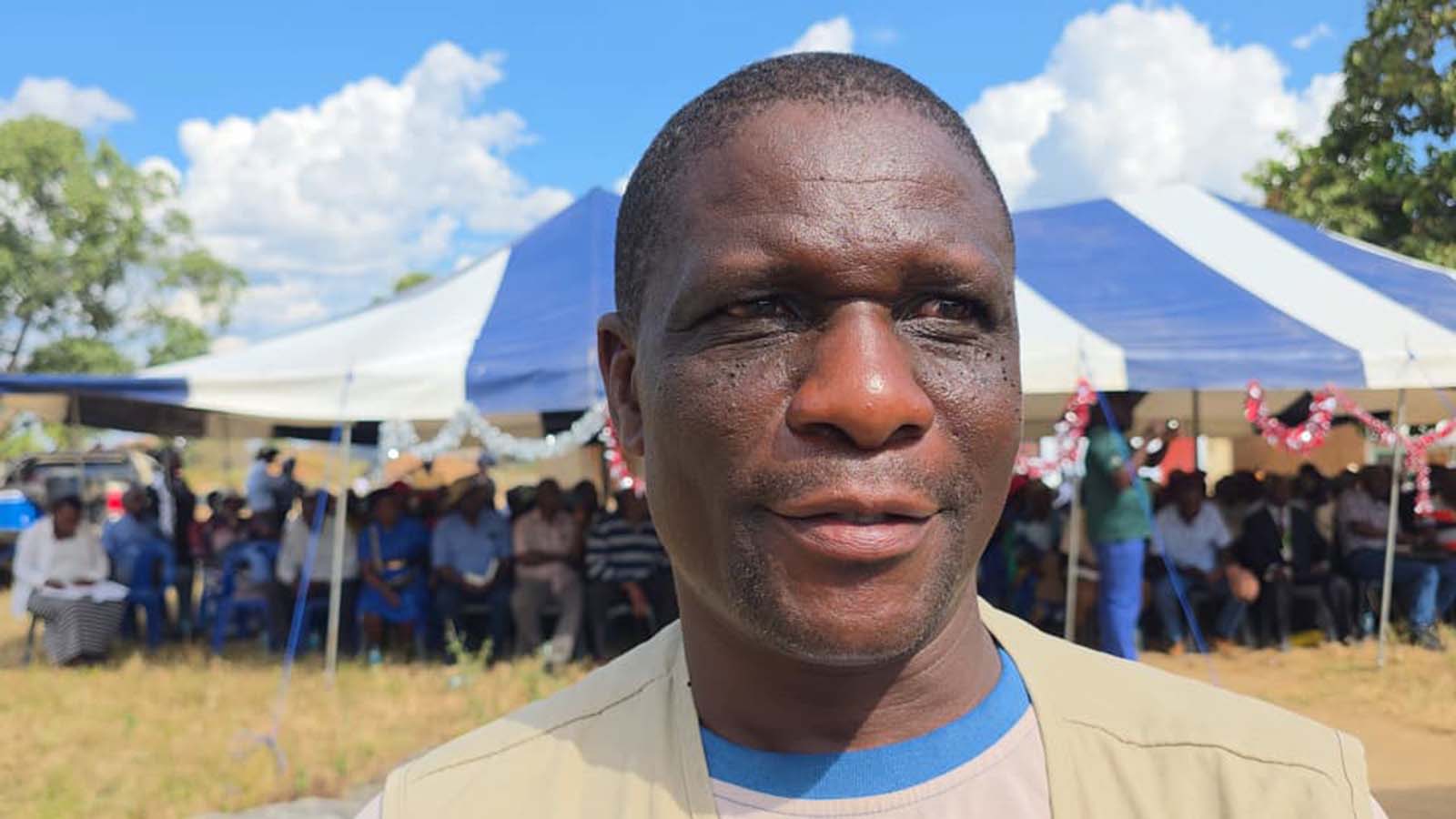
Chief Nematombo
“We are struggling to communicate because there is virtually no network in most parts of our area. Villagers fail to access important information on time, while some developmental programmes are delayed because communication becomes difficult,” he said.
He added that school children, businesses and healthcare services were also being affected by the lack of internet and mobile connectivity.
Chief Nematombo concurred, saying the continued absence of network infrastructure was undermining the government’s Vision 2030 agenda of attaining an upper-middle-income economy.
“While the Government is doing its best to ensure that rural communities are not left behind through various empowerment programmes and agricultural support schemes, our plea for mobile network coverage seems to have fallen on deaf ears,” he said.
Chief Nematombo said even local leadership structures were struggling to coordinate programmes because of the poor reception.
“If council or Government officials do not physically drive to inform me about a programme or meeting, I may not know anything about it. We depend on a booster in Magunje, which is more than 30 kilometres away,” he said.
Residents said the lack of connectivity had also frustrated the Government’s push towards a cashless economy, with villagers failing to effectively use mobile money and other digital payment platforms.
Chief Dendere
Ward 24 resident Mr Clyton Tsvere said accessing mobile banking services had become expensive and burdensome.
“We cannot effectively use mobile money or plastic money platforms here because there is no network,” he said.
“ If someone wants to make a transaction, they have to travel close to 30 kilometres and pay about US$4 for transport.”
The network challenges have also reportedly affected farmers who now rely heavily on digital platforms for weather updates, market information and communication with buyers.
However, the Government says efforts are underway to improve connectivity in underserved areas.
Recently, ICT, Postal and Courier Services Minister Tatenda Mavetera told Parliament that the Government, through the Postal and Telecommunications Regulatory Authority of Zimbabwe (POTRAZ), had initiated the Tower Relocation Project (TRP) to address network gaps across the country.
Under the programme, mobile service providers including NetOne, Econet Wireless Zimbabwe and Telecel Zimbabwe are relocating base stations from overserviced areas to communities with poor connectivity.
Minister Mavetera said over 40 base stations had so far been relocated to previously underserved areas as the Government intensified efforts to bridge the digital divide between urban and rural communities.



COMMENTS