
Source: Mixed feelings over cotton producer price – herald
Edgar Vhera
Specialist Writer – Agribusiness
FARMERS have welcomed the recent 17-percent cotton price increase but expressed reservations over the pricing model used, which they described as excluding the cost of production and prevailing world market indices.
The farmers argue that the price was more friendly to ginners and did not treat seed cotton producers fairly and allegedly left them to shoulder their production expenses.
Zimbabwe Farmers union (ZFU) secretary general, Mr Paul Zakariya, said a fairer and more reasonable cost model should be a cost plus margin and urged the Ministry of Agriculture, Mechanisation and Water Resources Development and the Agricultural Marketing Authority (AMA) to take the farmers’ concerns into account when coming up with pricing models.
“This is the position that ZFU advocates for and hopes and believes that AMA and its parent ministry will take it into account,” he said.
AMA recently increased the seed cotton buying price by 17 percent from last year’s US$0,30 per kilogramme to US$0,35 for the 2026 marketing season that started yesterday.
AMA chief executive officer, Ms Alice Mapfiza, said the season would run from May 18 to July 31, 2026, adding that 173 permanent and 398 mobile common buying points (CBPs) had been created countrywide.
“Buying is strictly at AMA designated buying points using the AMA database and contractors are to deploy appropriate payment channels within reach of the farmers from their nearest buying point,” she said.
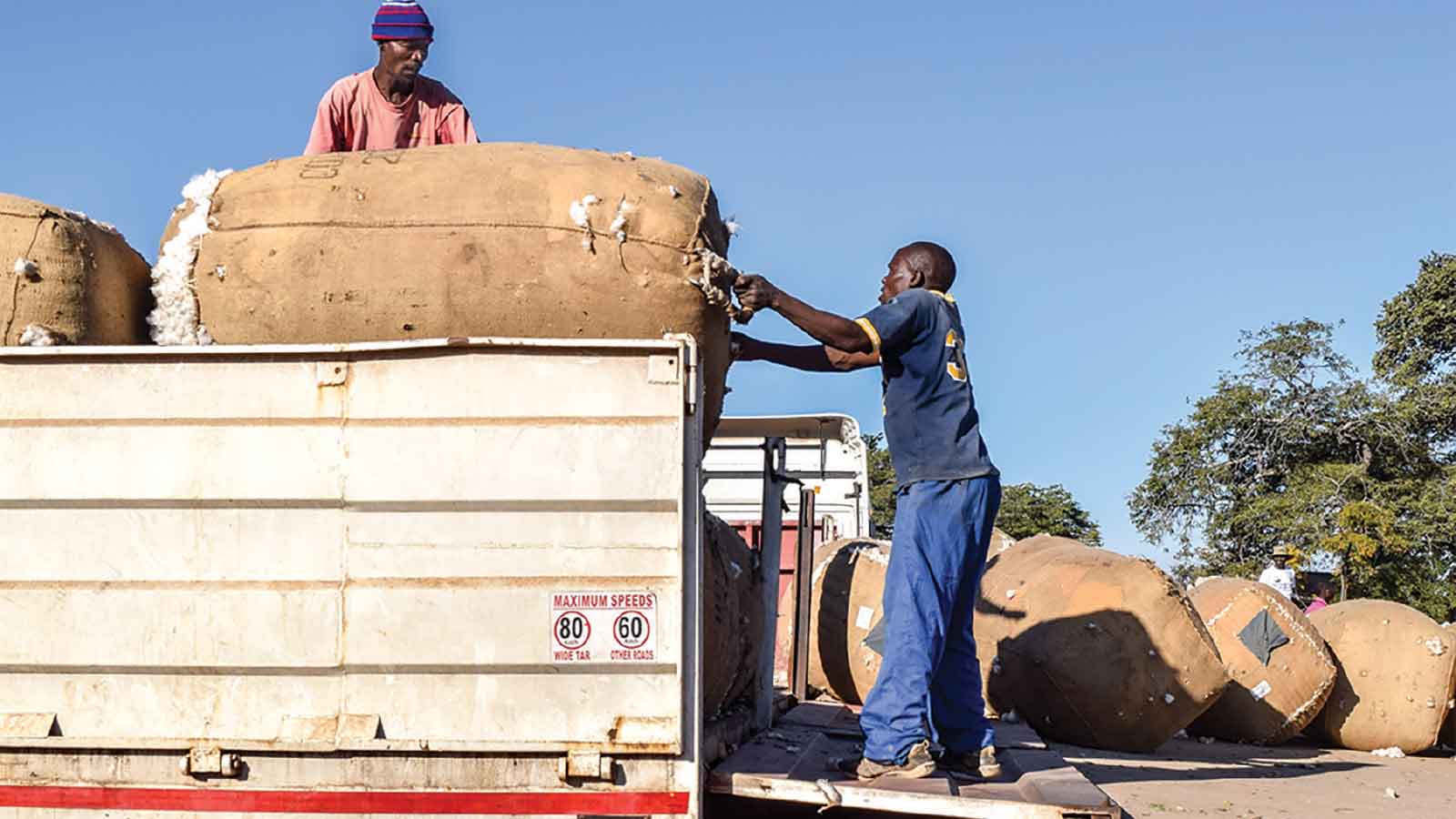
Ms Mapfiza warned against the movement of cotton bales from CBPs unless they had been fully paid for.
“Following price negotiations between farmers and contractors, the minimum seed cotton prices for the season are as follows: grade A – US$0,43 per kg, grade B – US$0,41 per kg, grade C – US$0,38 per kg and grade D – US$0,35 per kg.
“Seventy percent shall be paid in United States dollars and the balance of 30 percent in local currency as per the Reserve Bank of Zimbabwe (RBZ) guidelines,” she added.
She said these prices represented a balance between safeguarding farmer viability and taking into account prevailing global market conditions within the cotton and textile industry.
Ms Mapfiza reiterated that her organisation remained committed to ensuring the adoption of sustainable pricing models that guarantee farmers get fair value for their efforts.
Seed cotton in Zimbabwe is produced either under contract farming arrangements or self-financing.
“In terms of the law, AMA recognises self-financed farmers as those who register to grow seed cotton from their own inputs and furnish the authority with proof of purchase for the said inputs,” she highlighted.
For any cotton that may be beyond contractual obligations, the contractor generally has a right of first refusal to buy such a crop.
Ms Mapfiza said self-financed farmers were at liberty to sell to any registered buyers of their choice, including Zimbabwe Mercantile Exchange (ZMX).
Six seed cotton contractors have been registered for the 2025/26 season and shall be issued with buyers’ licenses upon fulfilling the required conditions.
The 2026 cotton validation exercise conducted by AMA, Government departments and farmers’ unions revealed that there will be a 33 percent increase in seed cotton output from last year’s 29 000 tonnes to 38 500 tonnes this year.
AMA has revealed that it will not issue the buyer’s licence to contractors in places where there is non-planting by farmers, low established hectarage, failure to identify registered farmers and their fields, failure to participate during the validation exercise and dual contracting.
In addition, a stricter quota system will be implemented for the surrounding CBPs where the contractors were found to be non-compliant.
Statutory Instrument (SI) 118 of 2022 [Chapter 18:12], Agricultural Marketing Authority (Seed Cotton and Seed Cotton Products) (Amendment) Regulations, under section 14 states that, “A fully compliant buyer or contractor shall only purchase seed cotton allocated to them as their buying quota as determined by the level of support.
Cotton is seen as a national asset and lifeblood of over 400 000 rural households and serves as a strategic pillar of the economy.
It is also a vital source of foreign currency and foundational raw materials for an extensive value chain including oil expressers, stock feed manufacturers, spinners and weavers.
COMMENTS