
Source: End of an era as Malaba bids farewell – herald
Fidelis Munyoro
Chief Court Reporter
RETIRED Chief Justice Luke Malaba has said the Judiciary “must continue with courage, humility and independence” as he warned that public confidence in the courts depended on judges deciding cases “according to the law even where the decision may not be popular”.
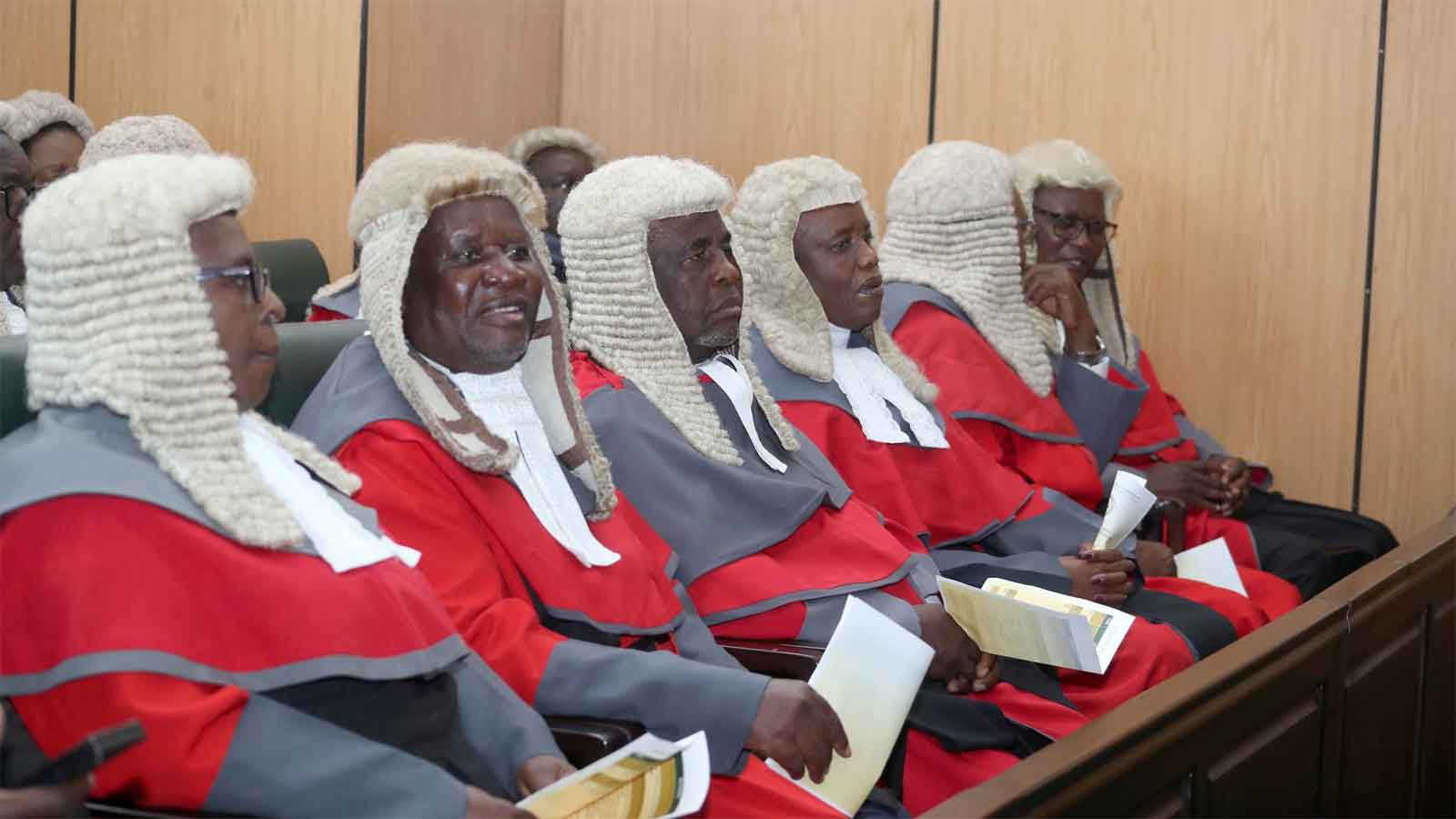
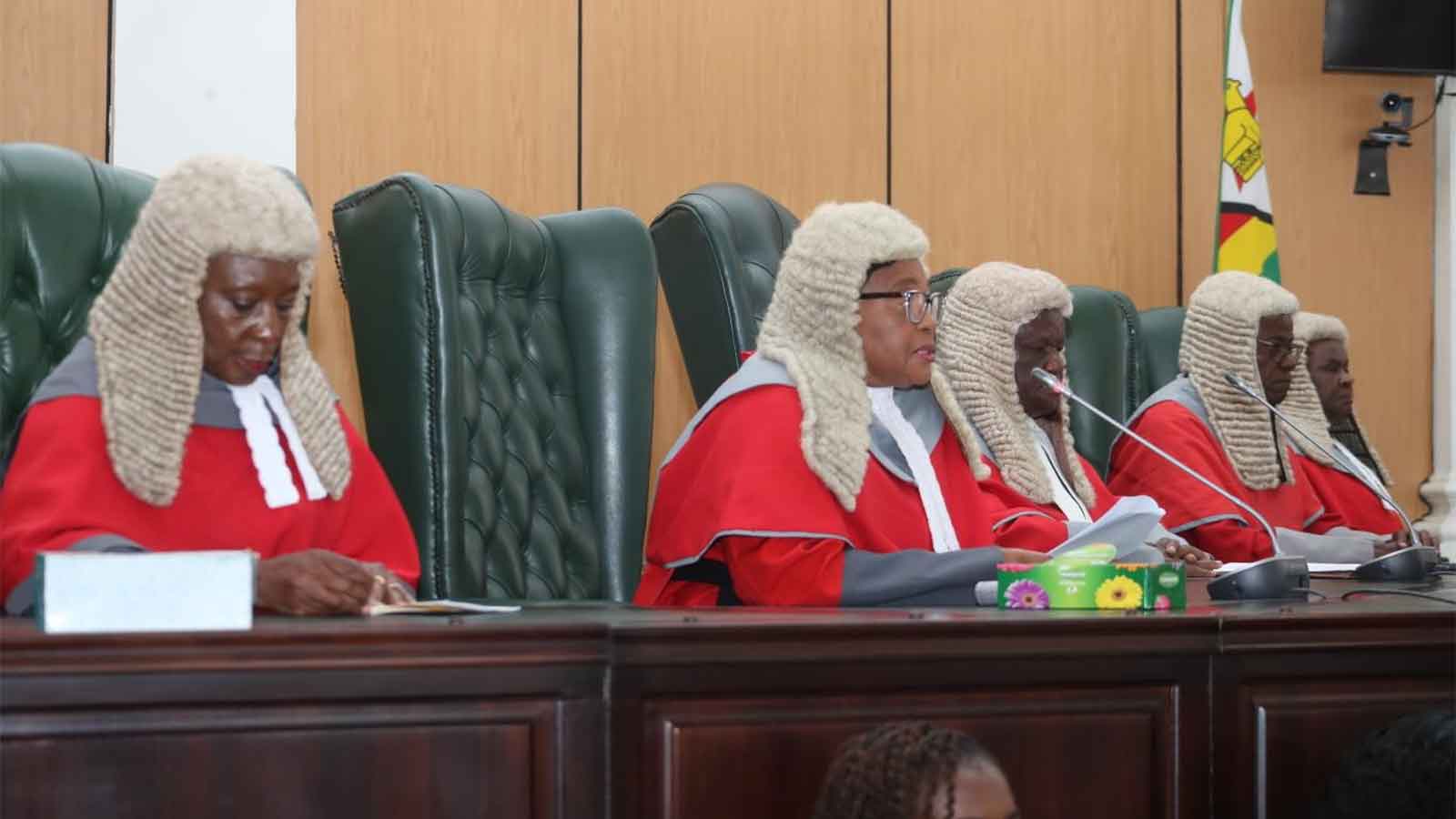
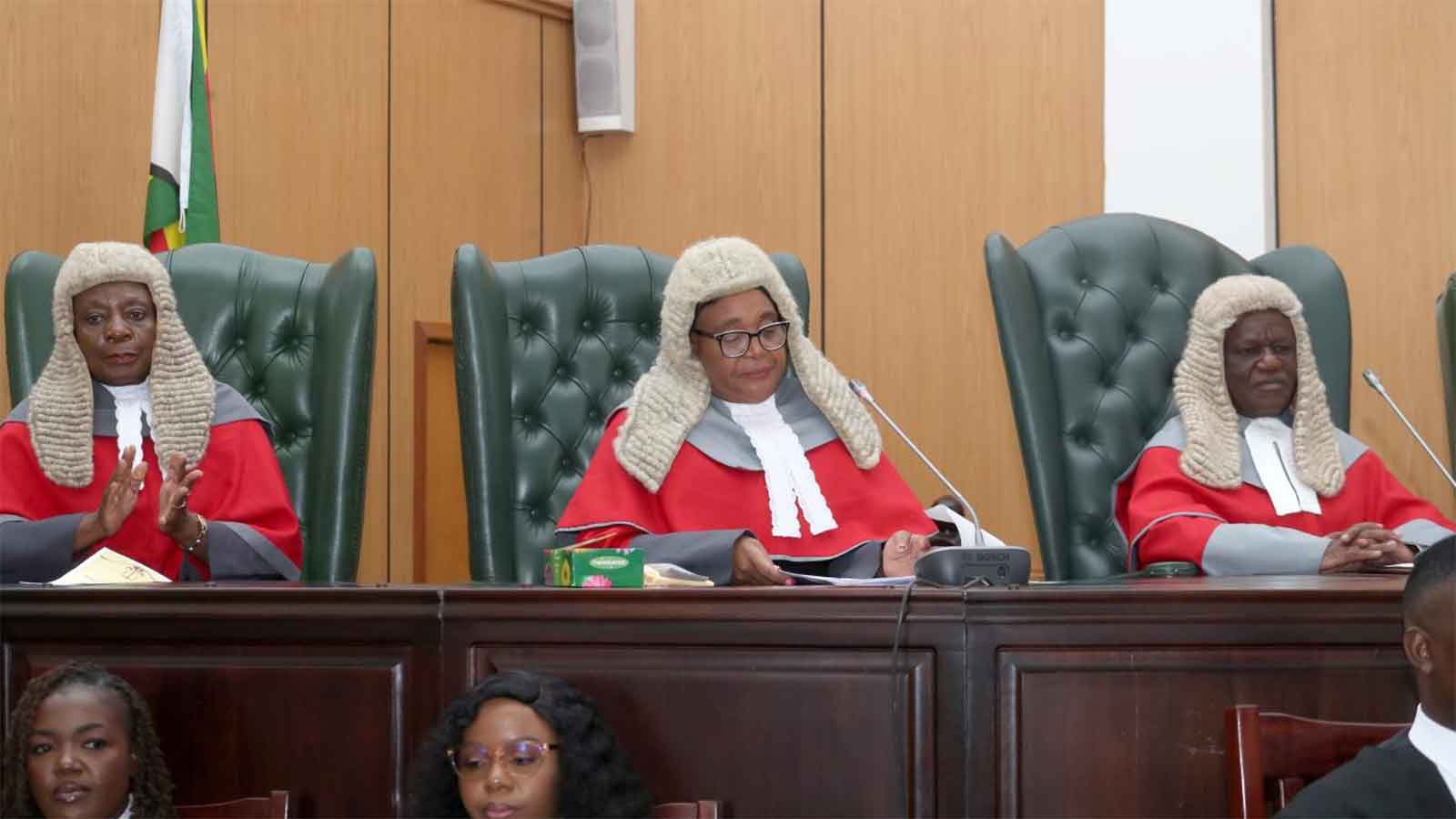
He said this in a valedictory speech in Harare yesterday during a special court sitting convened to mark the conclusion of his judicial career.
“The authority of the court does not rest on force,” Justice Malaba said.
“It rests on public confidence, reasoned decision-making, impartiality and the visible commitment of every judicial officer to do justice according to law.”
Justice Malaba said the judicial office was “held in trust for the people” and urged judges and judicial officers to remain faithful to the Constitution, the law and the judicial oath.
“The Constitution must remain the guiding instrument. The people must remain the reason for the exercise of judicial authority. Justice must remain the object to which every court, every judge and every judicial officer is faithfully committed,” he said.
Justice Malaba reflected on his years in the Judiciary, from the High Court to the Supreme Court and later as Chief Justice, saying the judicial oath had been “the most constant companion” throughout his career.
“The judicial career, properly understood, is nothing more and nothing less than a lifelong commitment to the oath that was taken on the first day, on assumption of the judicial office,” he said.
Justice Malaba described the office of a judge as a constitutional responsibility rather than personal authority.
“It is not an office that belongs to the individual who occupies it. It belongs to the constitutional order and to the people in whose name judicial authority is exercised,” he said.
Justice Malaba said the Judiciary’s legitimacy depended on public trust and warned that courts could not function in isolation from other institutions in the justice system.
“The delivery of justice requires the co-operation and collaboration of many institutions,” he said, acknowledging the Attorney-General’s Office, the National Prosecuting Authority, the Ministry of Justice, Legal and Parliamentary Affairs, the Zimbabwe Republic Police and the Zimbabwe Prisons and Correctional Services.
Justice Malaba also credited the Government for supporting reforms during his tenure, including digitisation, court construction, judicial training and decentralisation of court services.
“The Judiciary witnessed major progress in digitisation, court construction, judicial training, decentralisation of court services and the strengthening of institutional capacity,” he said.
Addressing judges who remain in office, Justice Malaba said every case carries consequences for citizens seeking justice.
“Every matter that comes before a court carries the hopes, fears, rights and obligations of real people,” he said.
“The manner in which those matters are heard and determined shapes the public’s understanding of justice.”
The revered jurist said the Judiciary had exposed him to “the hopes, grievances, struggles and aspirations of the people of Zimbabwe” as well as “the worst side of mankind through crimes of gratuitous violence such as murders, rapes and robberies”.
He ended his speech by saying his retirement marked “both an ending and a continuation”.
“It is the end of one judicial journey, but not the end of the work of justice,” Justice Malaba said.
The new Chief Justice of Zimbabwe, Justice Elizabeth Gwaunza, paid tribute to Justice Malaba on his retirement.
“This is a moment of national significance,” reflecting on his remarkable legacy of justice, integrity, and public service.
Born on May 15, 1951 in Matabeleland South, Justice Malaba’s legal journey began with degrees from the University of Warwick and the University of Zimbabwe.
His career spanned over four decades, starting as a prosecutor, then magistrate, High Court Judge, Judge of Appeal, Deputy Chief Justice and finally Chief Justice.
Justice Gwaunza praised his leadership, saying, “He transformed the office of Chief Justice”, through institutional reform, modernisation and expanding access to justice.
She highlighted the introduction of the Integrated Electronic Case Management System, which digitised the country’s Superior Courts and is extending to Magistrates’ Courts.
She recalled landmark rulings, including the 2016 decision outlawing child marriages, affirming children’s rights and dignity.
His regional influence included serving on the COMESA Court and presiding over the Conference of Constitutional Jurisdictions of Africa.
Beyond his career, Chief Justice Gwaunza said Justice Malaba “is a devoted family man”, supported by his wife, Eunice and their three children.
Reflecting on his legacy, Chief Justice Gwaunza said, “Your judicial life has been marked by patience, foresight and care.”
She concluded on behalf of the nation: “Thank you for your service, leadership, and enduring legacy. We wish you health, peace, and fulfilment in this new chapter.”
Luminaries from across the region attended the gathering to pay their respects, including Namibia’s Chief Justice Peter Shivute, Malawi’s Chief Justice Rizine Mzikamanda, COMESA chief executive Dr Willard Mwemba, and a Zambian judiciary delegation.
Their presence paid tribute not only to the man himself, but also to the principles and values he upheld throughout his illustrious career.
Earlier, Justice Antonia Guvava, speaking on behalf of the judges, Justice Minister Ziyambi Ziyambi, Prosecutor-General Justice Loice Matanda-Moyo, Dr Innocent Maja representing academia, Advocate Addington Chinake representing the legal fraternity, Law Society of Zimbabwe president Lison Ncube, and the Chief Magistrate Ms Vongai Guwuriro, all paid tribute to the veteran jurist.
Each underscored Justice Malaba’s role in steering the judiciary through politically charged and administratively demanding years.
His departure leaves the Judiciary at a pivotal moment, with his emphasis on digitisation and decentralisation now serving as the benchmark for his successor.

Newer Post
Mines, IPPs drive 635MW new energy capacity Older Post
Delta breaches US$1bn revenue mark
COMMENTS