
Source: President calls for stronger disability inclusion across sectors – herald
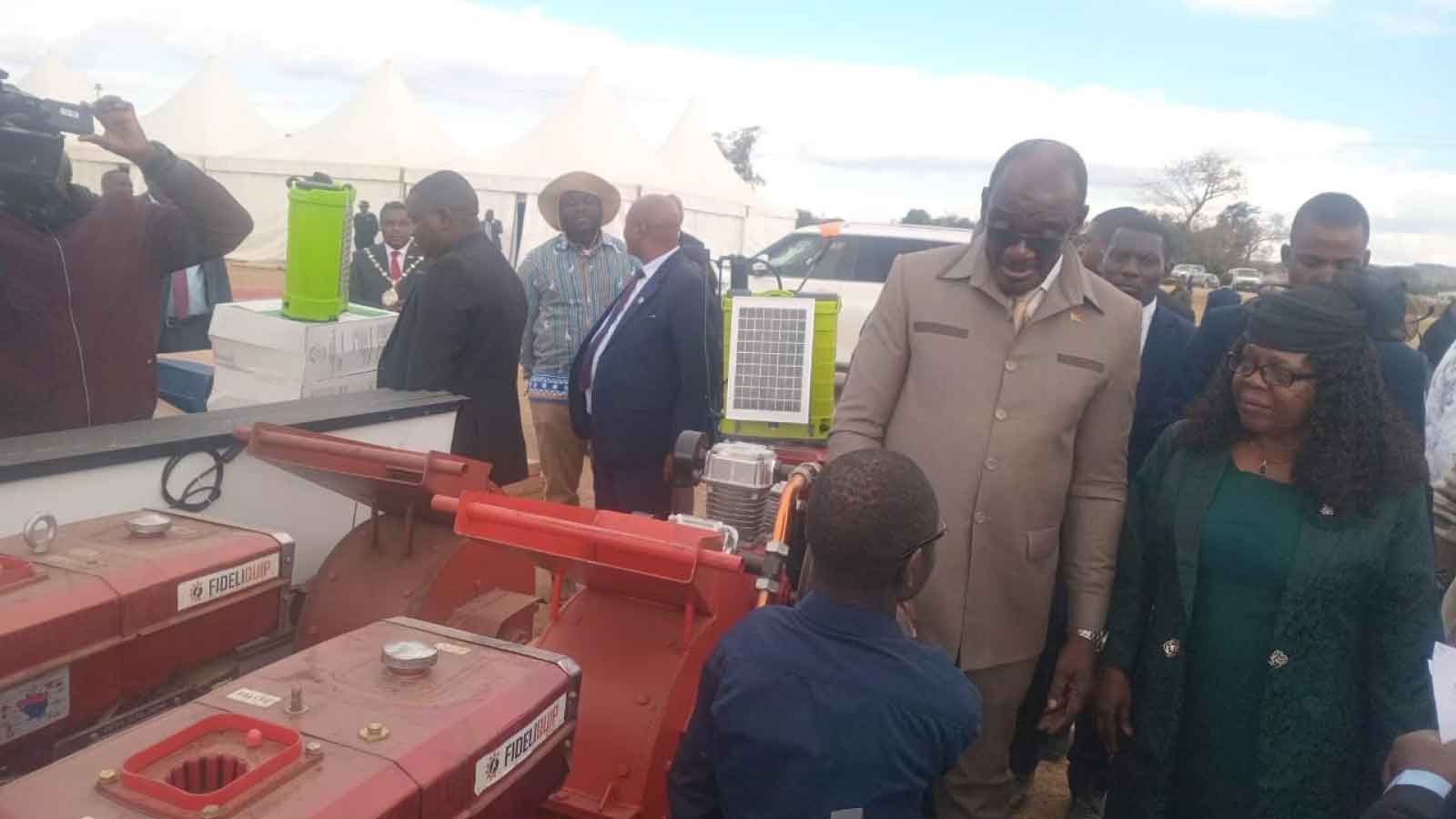 Vice President Dr Kembo Mohadi hands over a hammer mill to Mr Maxwell Bumhira of Mt Darwin, Mashonaland Central Province, while Special Advisor on Disability Issues in the Office of the President and Cabinet Ms Rossy Mpofu (right) and other officials look on at the Disability Expo in Masvingo yesterday. — Picture: George Maponga
George Maponga
Masvingo Bureau
PRESIDENT Mnangagwa has challenged Zimbabweans to embrace disability inclusion as the cornerstone of the nation’s drive to evolve into an upper-middle-income society by the year 2030.
In a speech read on his behalf by Vice President Kembo Mohadi at the official opening of the 2026 National Disability Expo held at Mucheke Stadium B Arena in Masvingo yesterday, the President said disability inclusion was in sync with the National Development Strategy 2 (NDS 2), which has successfully pivoted the country into a new phase of socio-economic transformation predicated on inclusive development that ensures all citizens and communities are part of the national development trajectory.
Over 500 exhibitors and Government agencies, departments and ministries were showcasing various products at the expo, which kicked off on Wednesday and was hosted by Masvingo Province.
The expo is an annual event on the national calendar that seeks to cast the spotlight on the plight of people living with disabilities, while also underscoring the Government’s commitment to ensuring persons with disabilities are part of the national development agenda.
President Mnangagwa said disability inclusion was not just a social obligation, but also a constitutional imperative and pledged the Government’s commitment to ensuring persons with disabilities were not left behind as Zimbabwe gears for upper-middle-income society status.
“The Government of Zimbabwe firmly believes that persons with disabilities are not objects of charity but equal citizens, endowed with inherent dignity, rights and capabilities. Therefore, disability inclusion is not merely a social obligation; it is a constitutional imperative, a developmental necessity and a human rights obligation,” he said.
President Mnangagwa said the Constitution, particularly Sections 6, 22, and 83, unequivocally guarantees the rights of persons with disabilities and mandates that the State and all institutions of society create an enabling environment for their full participation in national life.
“In fulfilment of this constitutional mandate, the Second Republic continues to implement progressive policies and legislative reforms to promote equality, accessibility, participation and empowerment.”
President Mnangagwa pointed out that disability inclusion looms large in the Government’s NDS2 blueprint, as it dovetails with the mantra of ensuring all Zimbabweans are active participants in the march towards an upper-middle-income society.
“I call upon all Zimbabweans to embrace disability inclusion as a catalyst for national prosperity, social justice and sustainable development. Together, let us build a nation founded on equality, dignity, opportunity and shared prosperity. The enactment of the Persons with Disabilities Act (Chapter 17:13) in 2025 marked a significant milestone in our country’s journey towards a rights-based framework for disability inclusion.”
The landmark legislation aligned Zimbabwe with international and regional commitments, including the United Nations Convention on the Rights of Persons with Disabilities (UNCRPD), the African Charter on Human and Peoples’ Rights, and the African Disability Protocol.
“Zimbabwe has entered a new phase of socio-economic transformation through the implementation of the National Development Strategy 2 (NDS2), which is anchored in the principle of inclusive development and aims to ensure that no citizen or community is left behind in our national development trajectory,” the President said.
He said disability inclusion is a cross-cutting priority under NDS2 and remains integral to the country’s national aspiration to achieve an empowered upper-middle-income economy by 2030.
The strategy recognises that sustainable development can be achieved only when all citizens, including persons with disabilities, actively participate in economic growth, social development and national governance.
President Mnangagwa said this year’s theme, “Embracing Disability Inclusion in All Sectors: A Masterstroke for National Prosperity and Economic Development,” was in perfect alignment with the Government’s vision, which recognises that societies prosper when all citizens actively contribute to national development.
“Indeed, disability inclusion is not solely a welfare issue. It is a strategic development issue that directly contributes to economic productivity, innovation, social cohesion and national competitiveness.
“Our disability inclusion agenda is further informed by the African Union’s Agenda 2063, particularly Aspiration 1, which envisages a prosperous Africa based on inclusive growth and sustainable development, and Aspiration 6, which seeks an Africa whose development is people-driven, drawing on the potential of its women, youth and vulnerable groups, including persons with disabilities.”
Globally, the President added, Zimbabwe remains committed to implementing the Sustainable Development Goals (SDGs), whose central principle is not to leave anyone behind.
“Disability inclusion is a fundamental component of several SDGs, including the eradication of poverty, the promotion of health and well-being, the provision of inclusive and equitable quality education, the advancement of decent work and economic growth, the reduction of inequalities, the development of accessible and inclusive cities and communities, and the promotion of inclusive institutions and equal access to justice.”
Zimbabwe’s national vision seeks to harmonise the objectives of Vision 2030, NDS2, Agenda 2063 and SDGs into a coherent framework for disability-inclusive development.
The President also said the mantra that “disability is not inability” should go beyond rhetoric, pointing out that the Government and other non-State actors should move from charity-based approaches to empowerment-centred and rights-based models that unlock the full potential of persons living with disabilities.
In that line, there is need to invest in inclusive education systems that equip learners with disabilities with relevant skills and competencies for them to be relevant in a modern economy.
There is also need to promote access to healthcare services, inclusive digital technologies, adaptive infrastructure, accessible transportation systems and inclusive labour markets.
“We must also expand access to productive assets such as land, housing, financing, mining opportunities and entrepreneurship support programmes. Economic empowerment remains central to achieving genuine inclusion. Through various Government initiatives, persons with disabilities are increasingly participating in agriculture, mining, manufacturing, commerce, and innovation and technology development. This participation contributes not only to individual livelihoods, but also to national productivity and economic growth,” said the President.
The success of the disability inclusion agenda also depends on a Whole-of-Government and whole-of-society approach, with President Mnangagwa stressing the importance of partnerships to attain some of the targets.
President Mnangagwa also declared that persons with disabilities should be active participants and leaders when decisions that affect their lives are made. Their voices, experiences and aspirations need to inform policy design, implementation, and monitoring and evaluation.
The President also announced an empowerment package for persons with disabilities in a move that underscores his long-standing commitment to their welfare in line with his mantra of leaving no one and no place behind.
He said the Presidential Goat Scheme targeting people with disabilities will see an initial 50 goats donated for distribution to persons with disabilities countrywide.
The President also unveiled the Presidential Piggery Project, where persons with disabilities received 60 pigs.
A residential stand project and an agricultural and farming land project were also launched to assist persons with disabilities.
Some persons with disabilities also received mining equipment, such as hammer mills, to promote entrepreneurship.
Some of the exhibitors who excelled at the expo received prizes from the President, through VP Mohadi.
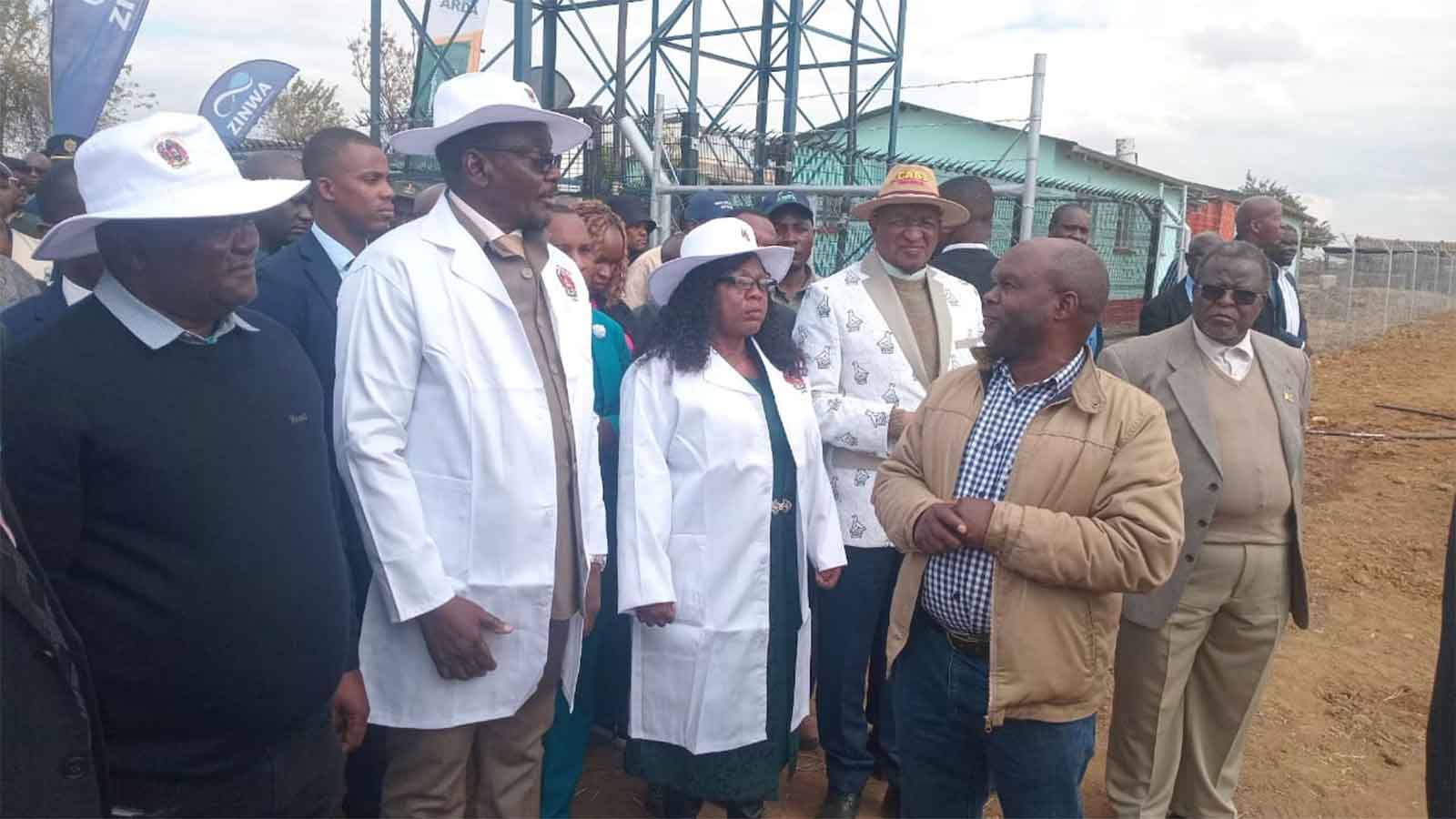
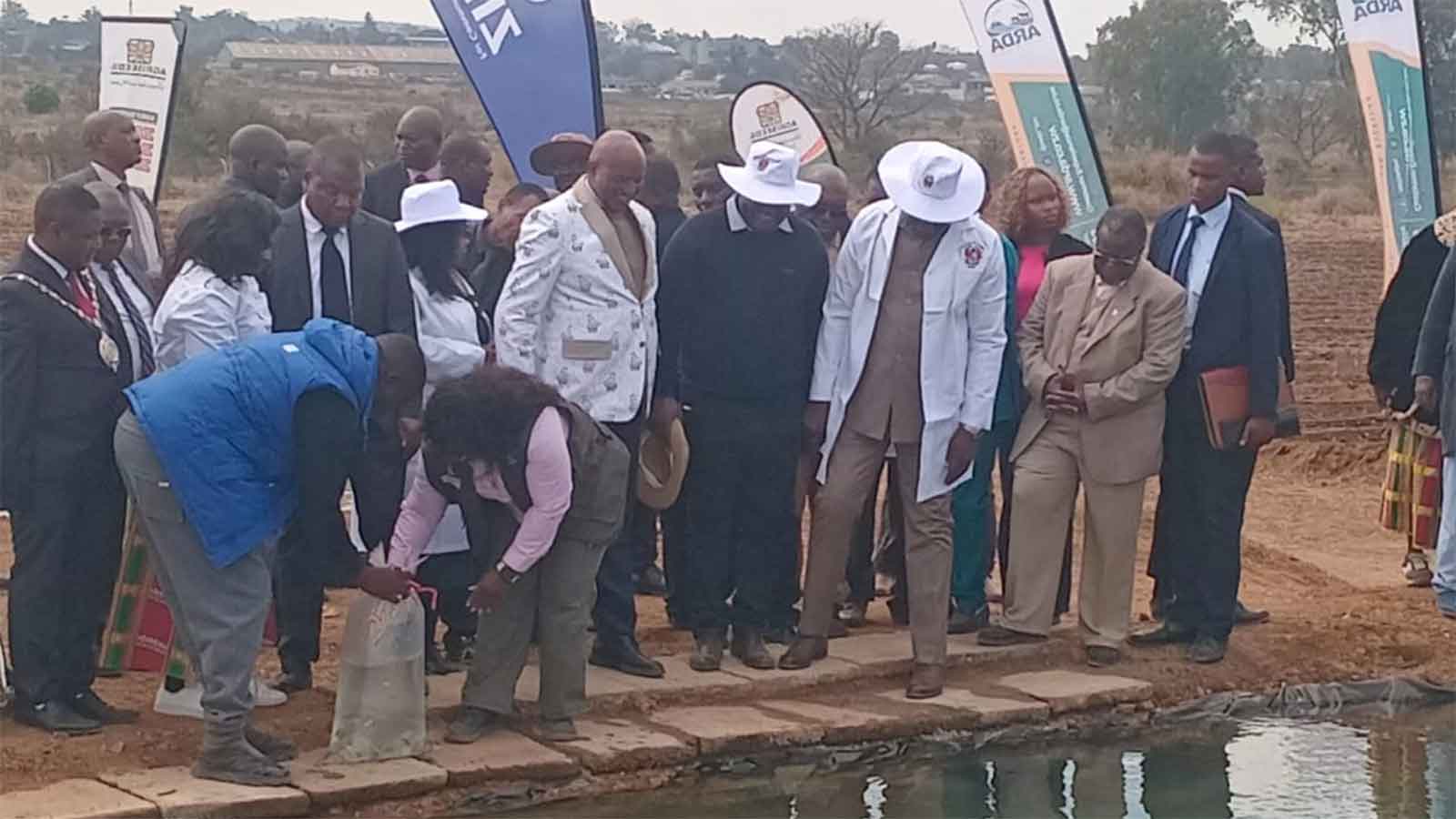
Earlier on, VP Mohadi had commissioned and toured the Jairos Jiri Centre Business Unit in Mucheke suburb, which offers life skills to persons living with disabilities.
The centre received a shot in the arm from the Government through the setting up of a piggery project, an aquaculture project and an irrigated market gardening project to raise income while equipping learners with practical skills.
In her address at the event, Special Advisor to the President on Disability Issues in the Office of the President and Cabinet, Ms Rossy Mpofu, hailed President Mnangagwa for walking the talk on his mantra of leaving no one and no place behind.
Ms Mpofu said major inroads have been made by the Second Republic under President Mnangagwa to empower and uplift persons living with disabilities in Zimbabwe.
Newer Post
Retired Major General Dzihwema dies Older Post
‘Technology fuels drug abuse globally’
COMMENTS