
Source: Education a powerful tool to transform societies: VP Mohadi – herald
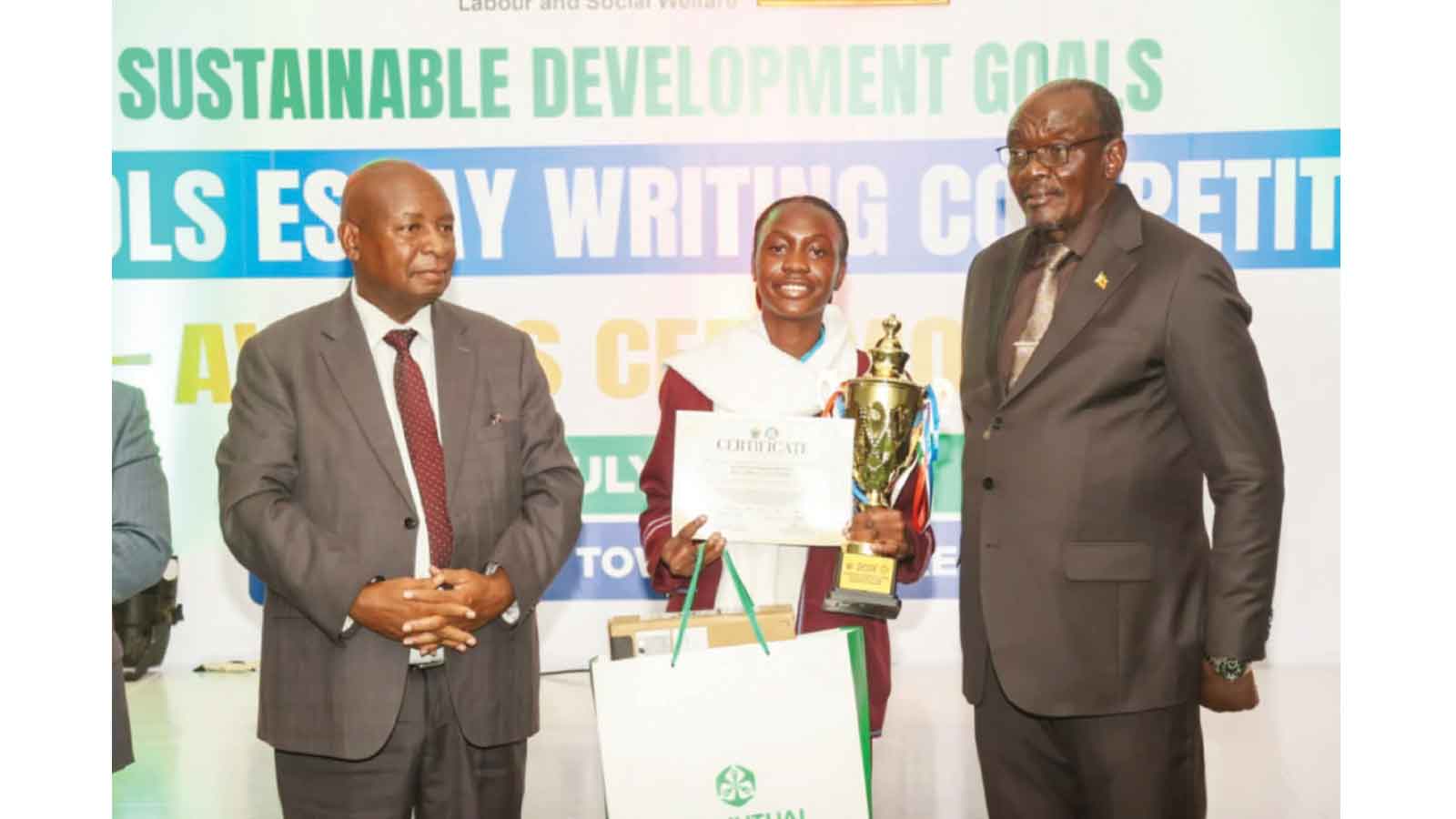 Vice President Dr Kembo Mohadi (right) hands over the overall best student prize to Tinevimbo Muchineuta while Public Service, Labour and Social Welfare Minister Edgar Moyo looks on at the Sustainable Development Goals Schools Essay Writing Competition awards ceremony at the Harare International Conference Centre on Friday. — Picture: Believe Nyakudjara
Nyore Madzianike
Senior Reporter
THE Government has reaffirmed its commitment to empowering young people with knowledge, skills and opportunities, saying education is one of the most powerful tools for transforming societies, reducing inequalities and unlocking the full potential of citizens.
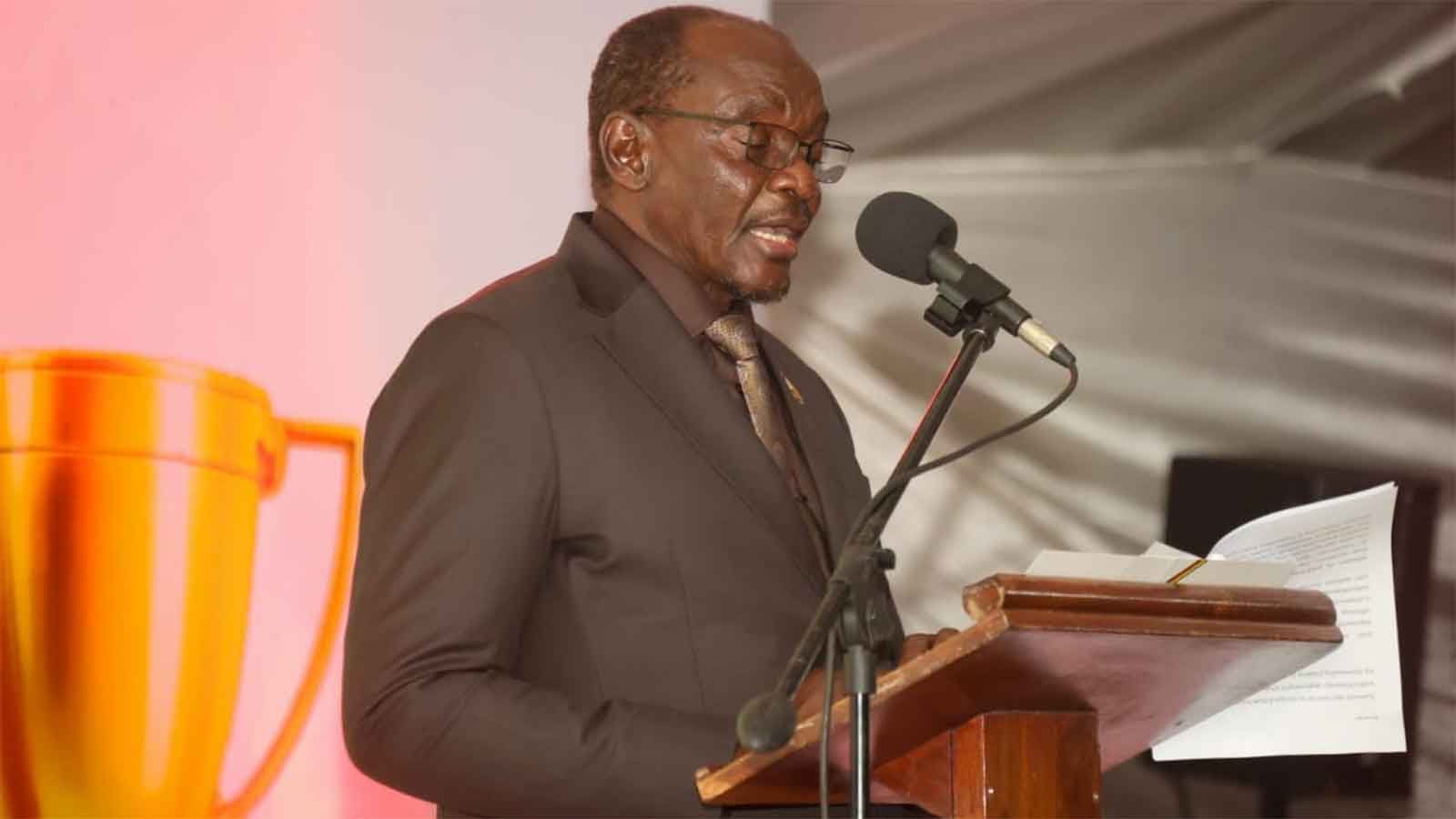
Vice President Dr Kembo Mohadi said this while officiating at the 2026 National Sustainable Development Goals (SDGs) Schools Essay Writing Competition Awards Ceremony in Harare on Friday.
The schools’ essay competition, which started last year to promote SDG awareness among learners across the country, has recorded 30 658 participants, a rise from last year’s 4 032.
This year’s competition attracted students drawn from schools across the country, including rural areas and learners living with disabilities.
Eighteen outstanding winners were honoured, comprising 15 from five competition categories and three in the special category for learners with disabilities.
“As the Government, we remain committed to empowering young people with the knowledge, skills and opportunities necessary to become active contributors to national development.
“We firmly believe that education is one of the most powerful tools for transforming societies, reducing inequalities and unlocking the full potential of citizens.
“I am encouraged by the participation of learners from all provinces, including those from rural and urban schools, as well as learners with disabilities.
“This broad participation reflects our collective commitment to inclusivity and reinforces the national vision of ensuring that no one and no place is left behind, as we advance our development agenda,” he said.
VP Mohadi said the quality of this year’s essays reflected learners’ deep appreciation of critical issues facing society, including renewable energy, climate resilience, environmental conservation, water and sanitation.
He said the essays also demonstrated learners’ understanding of issues relating to technological innovation, inclusive education, responsible production and consumption, employment creation and social inclusion.
“These themes are closely aligned with the Government’s development priorities as outlined in the National Development Strategy 2 and with our national aspiration to attain an upper-middle-income economy by 2030.
“What is particularly impressive is that many learners moved beyond merely identifying challenges and instead proposed practical and innovative solutions rooted in local realities.
“This demonstrates that our young people possess not only awareness of development issues, but also the creativity and problem-solving capabilities required to address them.”
The Vice President said Government views young people not merely as beneficiaries of development programmes, but as strategic partners in the nation’s transformation.
He said ideas generated through such initiatives have the potential to influence future innovations, policies and development interventions.
“The SDGs and NDS2 provide a shared framework for advancing inclusive and sustainable development.
“They call for concerted efforts to eradicate poverty, improve health and education outcomes, promote gender equality, protect the environment, create decent employment opportunities, strengthen innovation and industrialisation, build peaceful, inclusive, and resilient communities.
“Achieving these objectives requires the active participation of all sectors of society, particularly youths.”
VP Mohadi said young people play a critical role in national development through entrepreneurship, skills development, innovation, community engagement, environmental stewardship and civic participation.
“This is why the Government continues to support programmes that foster innovation, critical thinking and active citizenship participation among learners.
“These initiatives nurture future leaders, entrepreneurs, scientists, policymakers and professionals who will drive Zimbabwe’s socio-economic development in the years ahead.”
He said the event’s coincidence with the Junior Parliament activities scheduled for July 8 at the New Parliament Building in Mt Hampden reflected the Government’s commitment to ensuring that young people participate meaningfully in governance and national discourse.
“Through the Junior Parliament and other youth empowerment platforms, we are cultivating a generation that appreciates democratic values, responsible leadership and active citizenship.”

Newer Post
NPA to recover US$15m from criminal proceeds
COMMENTS